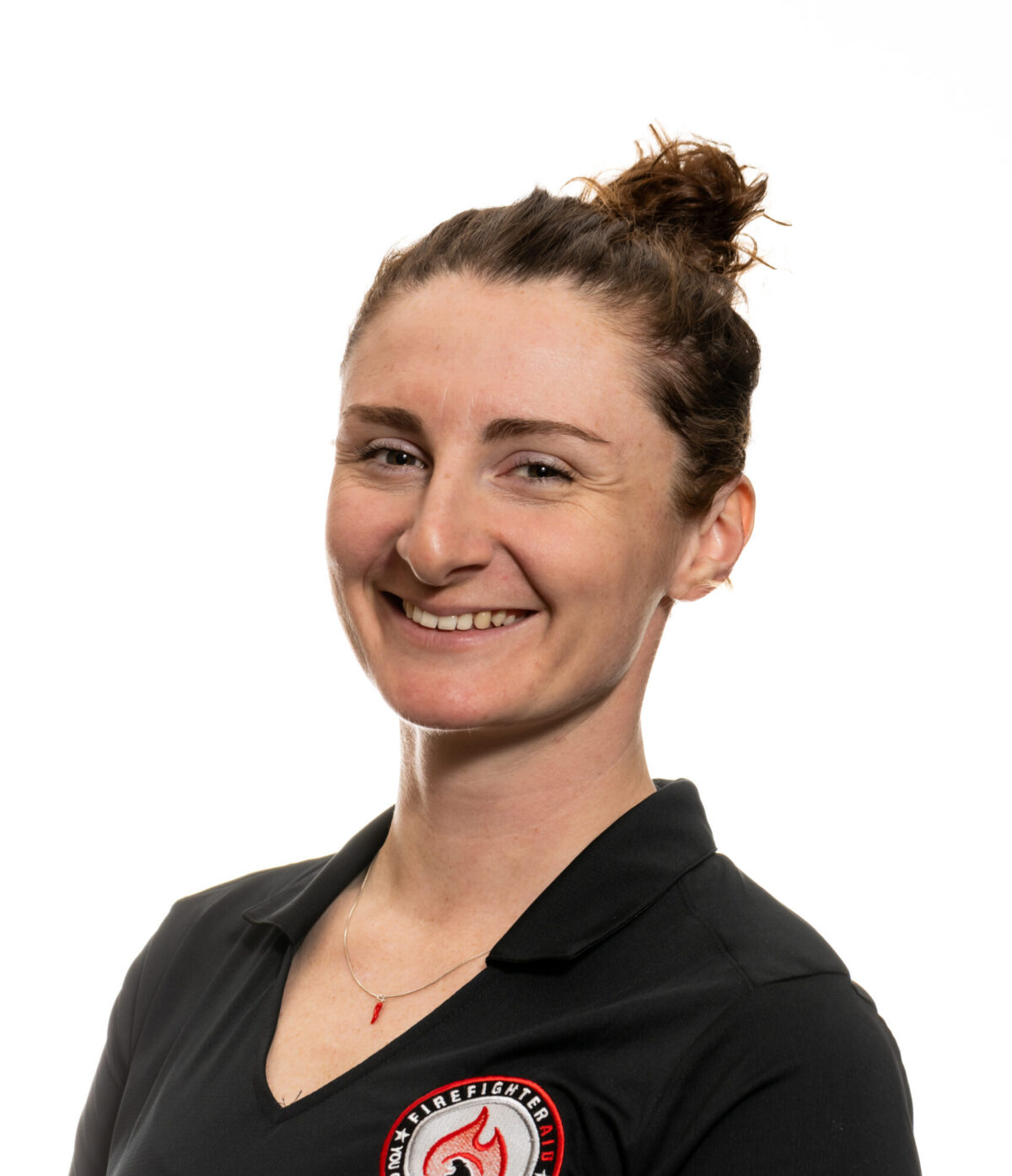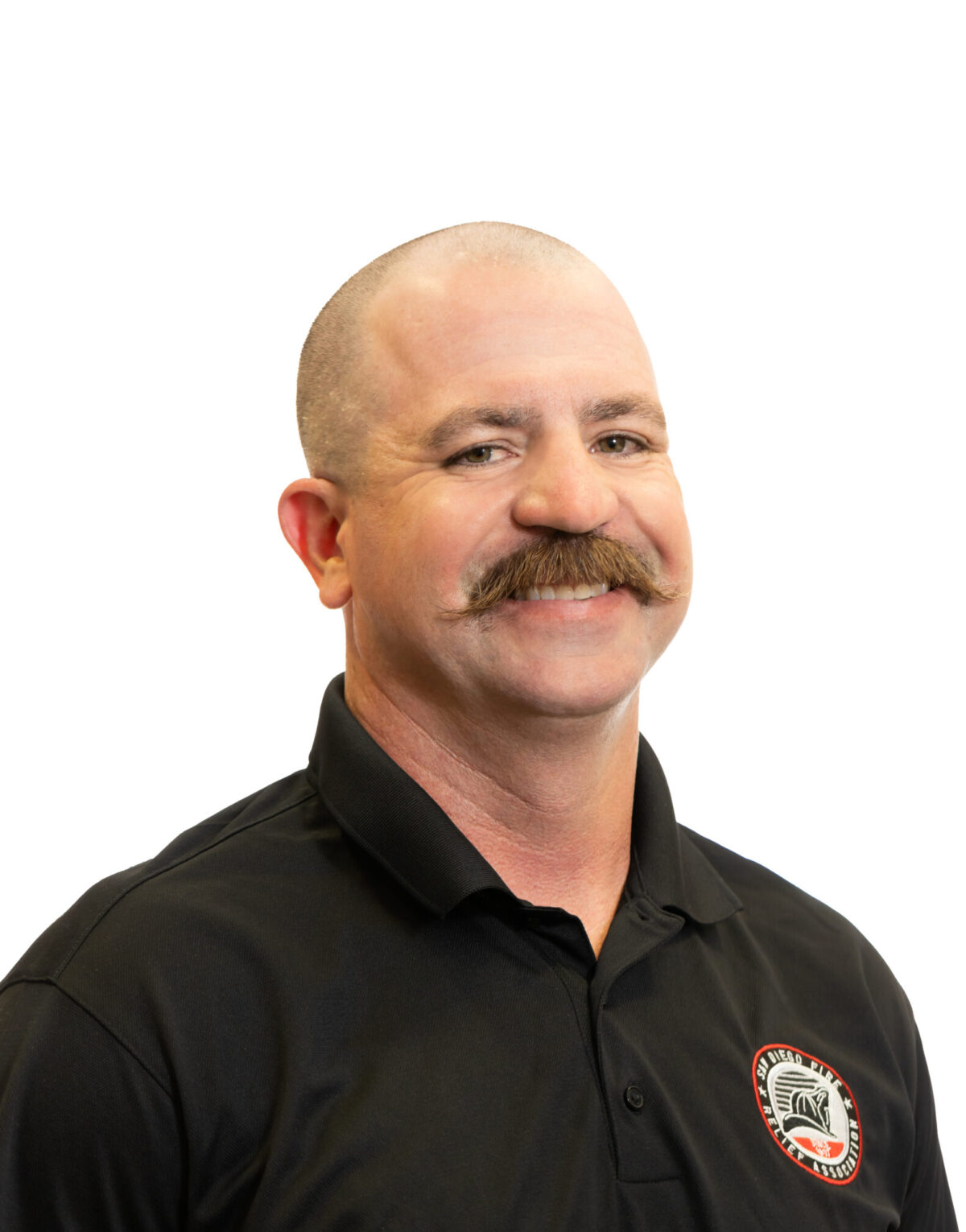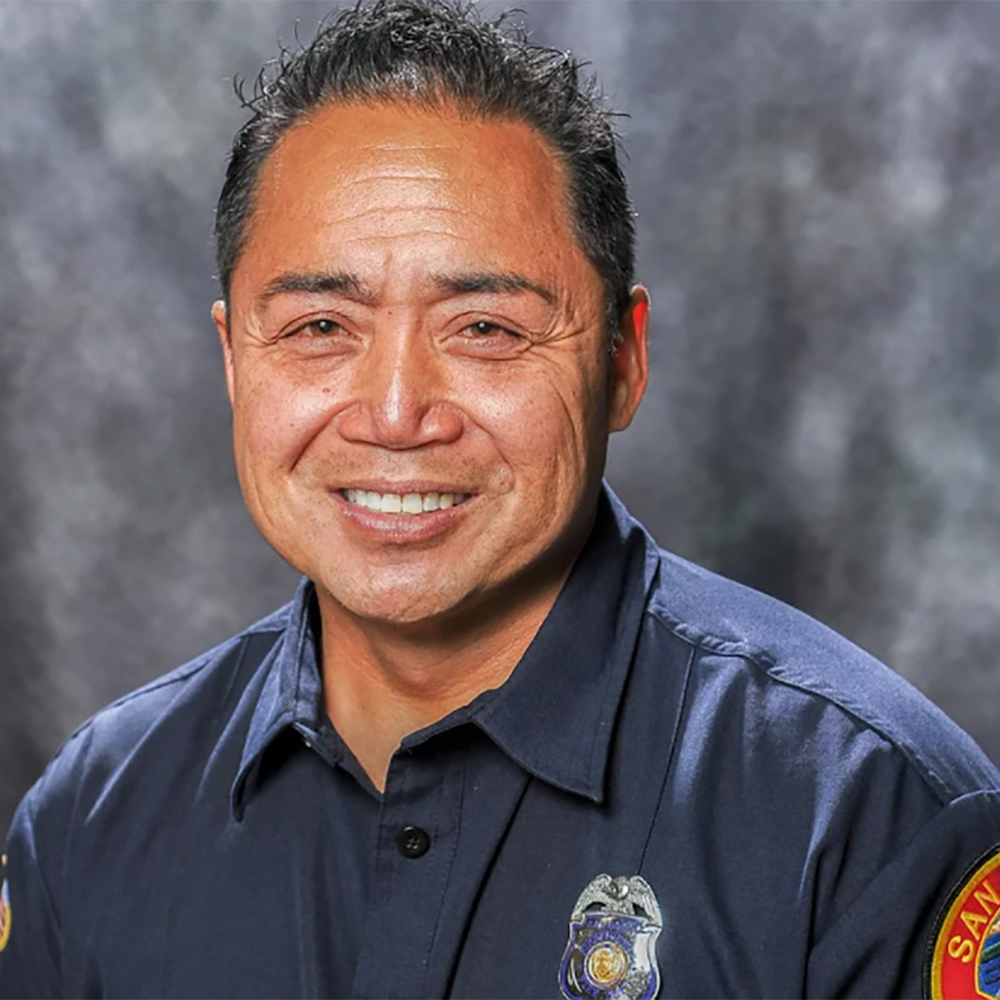
Rachel Delacour
Hometown: Seattle, WA
Why FFAid: One of my favorite parts of this job is the deeply-rooted sense of community and tradition. I feel indebted to my brothers and sisters of the fire service- those that came before me, and those I work alongside now. SDFRA works to help these individuals in some of the darkest moments of their lives. I cannot imagine a more worthy cause.
A person who inspires you the most: My In 2016, I became good friends with Captain Dave Kaiser of the Tacoma Fire Department, who was working part-time as a jump-plane pilot at the time. He is a hard working, skillful man of few words, and someone that I greatly respect. He encouraged me to pursue a career in the fire service. I will always be extremely grateful for his service and encouragement.
How do you give back: I am passionate about giving back to the community that has supported me. Serving as a board member with SDFRA allows me to dedicate my time and energy to helping others in their time of need.
Tell us something about yourself: I have a 60lb Staffordshire Bull Terrier that I absolutely adore.
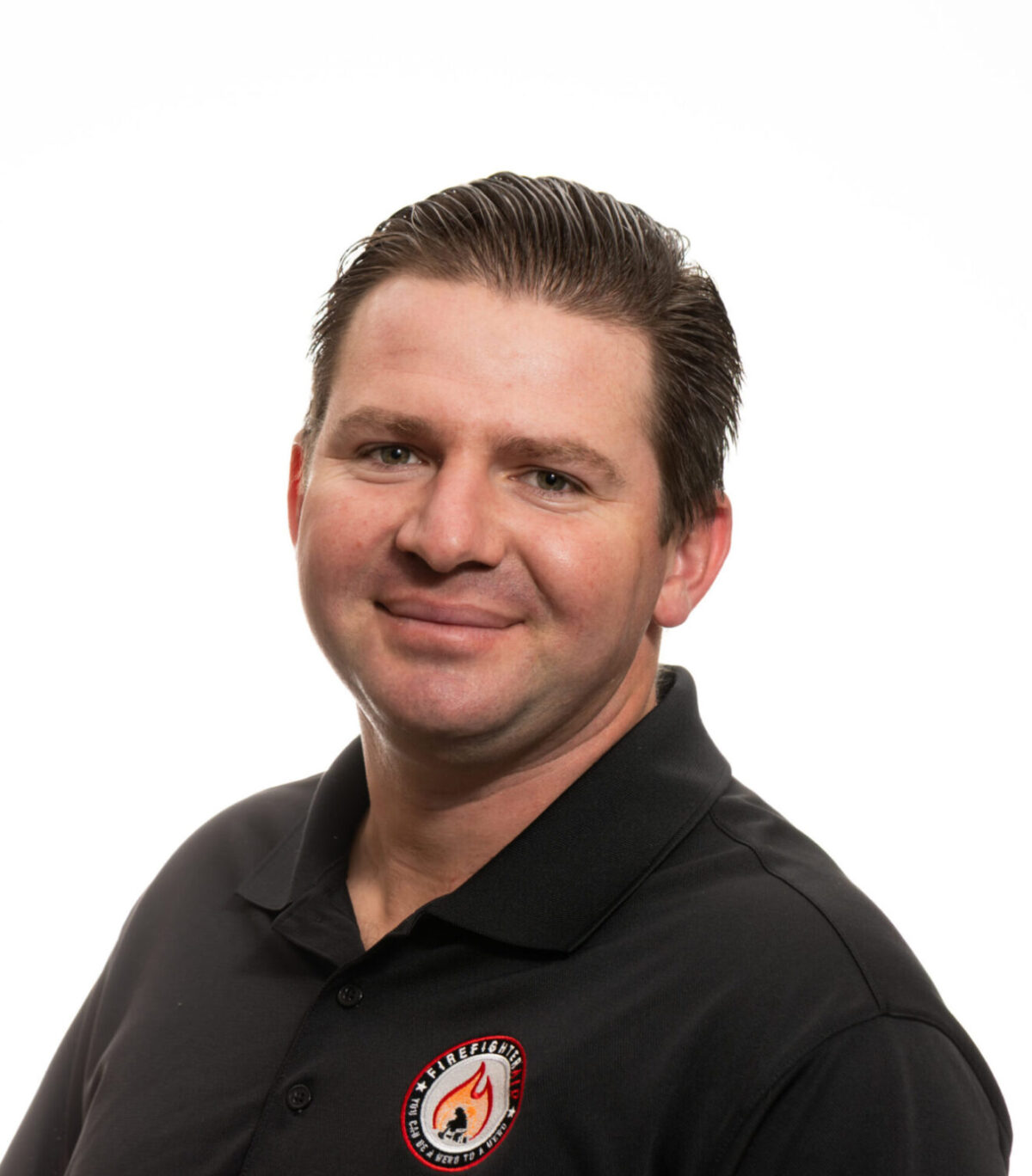
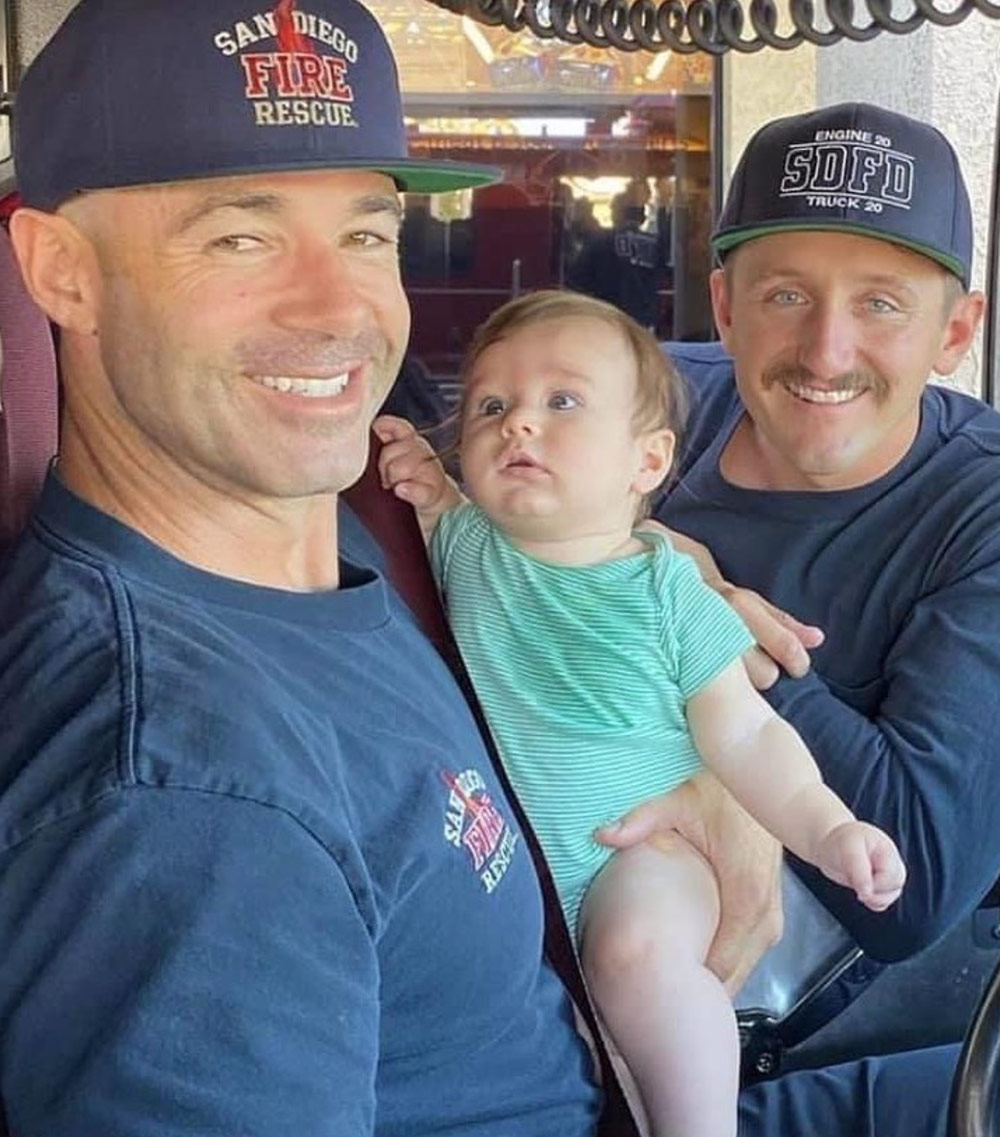
Hometown: San Diego, CA
Why FFAid: I am committed to the mission, vision, and core values of SDFRA, and I am eager to support the organizations efforts in improving the quality of care and services for firefighters and their families. With my background in fire protection technology, incident management, and my extensive involvement in department functions, I believe I can help drive meaningful change and contribute to the ongoing success of the SDFRA.
A person who inspires you the most: My wife Olivia, the motivation behind my actions, attitudes, and work ethic is fueled by the positive attitude and support she continually shows on an everyday basis.
How do you give back: Throughout my career, I have had the honor of serving as a firefighter, academy instructor, and currently as a Captain at Station 4 in the Gaslamp. In addition to my role as a captain, I am an active member of several department initiatives, including the SDFD Cadet Program, the annual Toys for Tots drive, and our department’s sports club. I also serve on the Federal Incident Management Type 1 Team and have experience writing Incident Action Plans for major events, such as the 9/11 Memorial Stair climb and department funerals.
Tell us something about yourself: I am a first-generation firefighter in my family, I love spending time with my family outdoors and taking trips when time permits and making memories with those I work with.
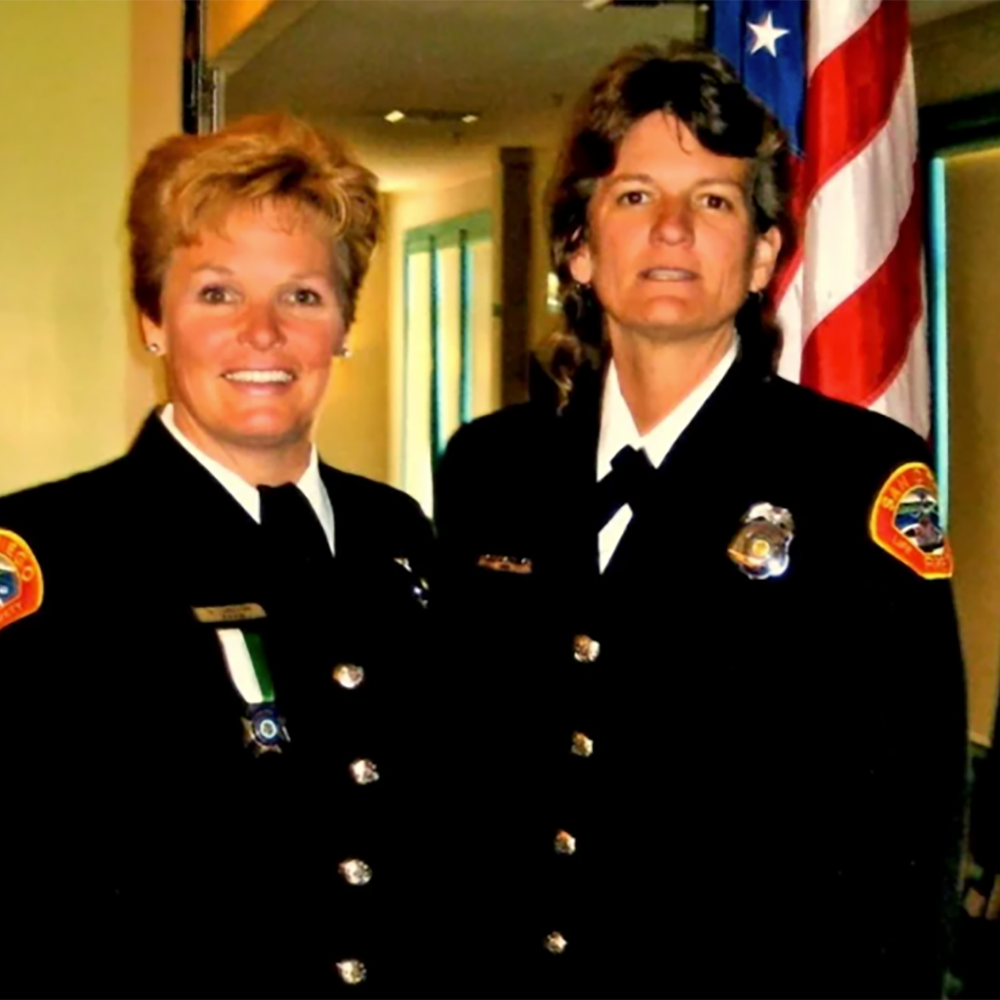
Hometown: Lakeside, CA
Why FFAid: I believe in SDFRA! An amazing organization made up of members, for the members.
A person who inspires you the most:
How do you give back: I live by the motto “taking care of honoring he fire families” and I have done that by helping fellow fire families in home/ADA remodels.
Tell us something about yourself: I enjoy fixing things up.
Learn the importance of using, cleaning & maintaining your respirators as well as methods of care for loading and maintaining rigs in the fire station to reduce exposure to cancer-causing compounds in the air.
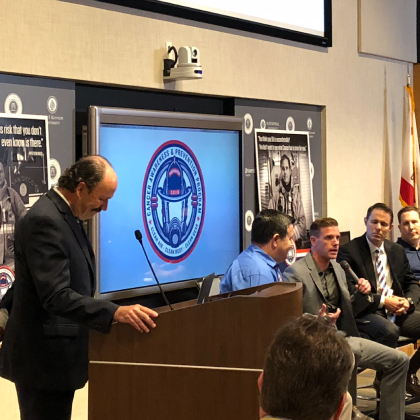
Today’s firefighter will most likely not die in a fire saving a life; they will die in a hospital bed from work-related cancer. 2015 revealed shocking statistics of firefighters battling work-related cancers. Cancers that we believe to be preventable. CAPP was founded with the sole purpose to reinforce best practices of firefighters in the workplace specializing in Clean Air, Clean Body, and Clean Gear.
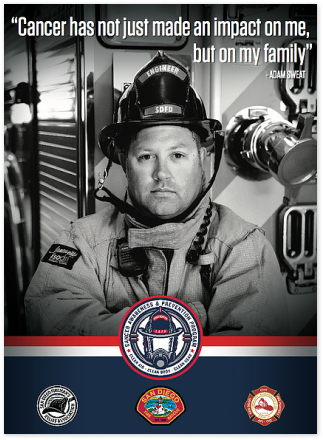
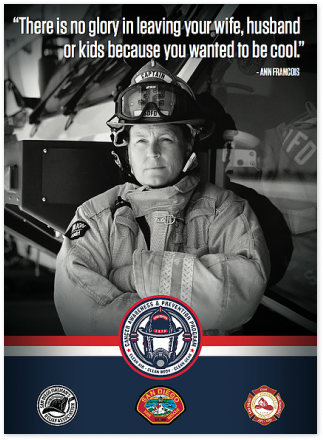
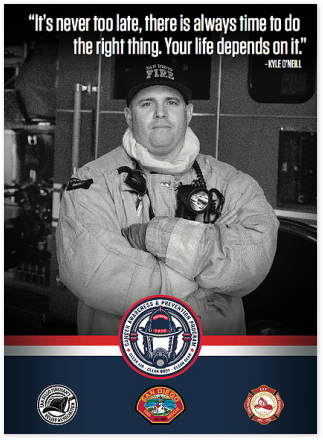
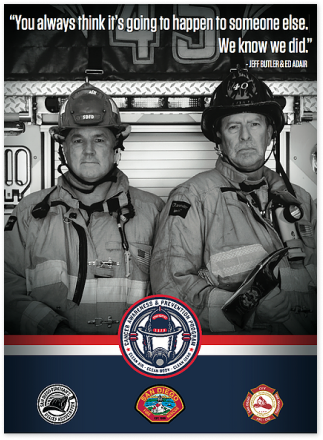
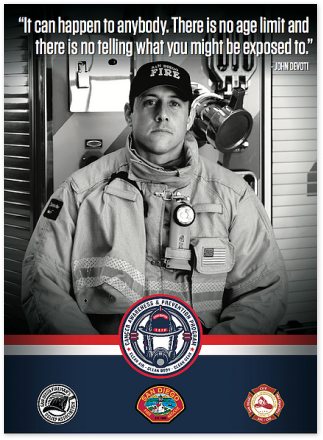
The program includes an in person department cancer training class, an impact video, the following training videos on the 3C’s, warning identifiers, behavioral and cultural changes to prevent cancer, and posters of peers in every fire station and apparatus. Most importantly, our CAPP Program is on a mission to break down stereotypes of what it means to be a firefighter and educate them on how to protect themselves every day from the threat of cancer.
A special thanks to the Dauch Family Foundation and Mustache Madness for supporting the CAPP Videos
Learn clean body-in-action principles that will help you reduce the absorption of toxins and cancer-causing conditions.
Learn more about the value of cleaning and sanitizing fire-fighting gear properly to remove contaminants.
Building a successful cancer program within your station won’t happen overnight. The videos give you all the tools you need to start saving firefighter lives but you can get more support to help aid you in your journey.
If you would like to receive in-depth training for your fire station you can schedule a FREE in-person presentation with our CAPP team today.
In-person training includes:
One of our program’s main goals is to share what we’ve built and make our program accessible to Firefighters and fire stations everywhere by providing it for free.
We’ve made it easier for fire stations and departments to take what we’ve created and implement it to initiate change. You can order informative posters that include information about peers who have won their battle against cancer, warning and identifier stickers to place throughout the stations as task reminders, and other helpful resources to help start your own program.
Our video took six months to produce and shares the life-changing stories of 12 San Diego Fire-Rescue Department cancer survivors on their journey to protect and serve the public, but found themselves being the ones who needed assistance. These brave men and women opened up to FirefighterAid and our film producer, Jason Curtis, about their journey. They shared things they could have done differently and what they now do differently to protect themselves.
A special thank you to the brave men and women who have shared their stories to affect positive change.
In this one-hour video you will see the entire CAPP presentation as delivered by our CAPP Ambassador, Kurtis Bennett to a group of San Diego County’s top fire personnel. Kurtis spent years researching firefighter occupational cancers, interviewing and connecting with researchers, authors, and firefighters to build a straightforward approach to fighting occupational cancer. Our presentation is broken down into three simple components and focuses on behavioral changes that is easily be applied to any fire station and department.
See just how easy it is to implement the 3 C’s (Clean Air, Clean Body, Clean Gear) into your department’s every day routine.
If you believe in staying on air,
If you believe in washing your gear,
If you believe in doing the small things every day that stand to make a big difference over the course of your career,
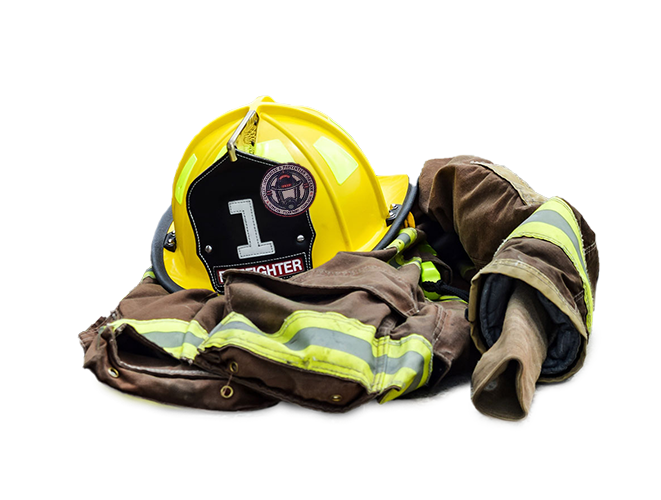
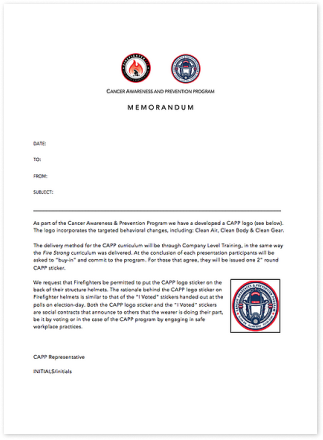
Then put this sticker on the back of your helmet and show everyone that you believe in doing the right thing!
You don’t have to know everything, but you should know yourself and your body pretty well. So if something seems off, you should head to your health care provider and talk to them about it as soon as possible. Listen to your friends, coworkers, and family – they know you pretty well too. While we don’t want anything to ever happen to you, we do want you to be healthy and well taken care of. Being a firefighter or the family of a firefighter can be difficult, and there are many health hazards that can come with the job. That being said, even if you are curious, you should be screened for cancer. Early detection can make a world of difference for many cancer warriors.
It can be very scary, and we understand that. However, you are NEVER alone. We are here for you; your brothers and sisters in the fire service are here for you; and your family is here for you. Please be sure to get regular screenings, wipe down and shower after responding to a fire, wash your turnouts, and wear your breather to help reduce your risks. Additionally, keep yourself educated.
Check out some of the additional resources below to be sure you know warning signs, possible carcinogen origins, and more. If you have questions, please talk to your health care provider as soon as possible. We are all here with you through this journey.
Building a successful cancer program won’t happen over night, but we’ve given you a great place to start! All the tools you need to start saving firefighter lives are already at your disposal! Yes, you can always do more and purchase the fancy tools to help aid you in your journey, but you can start for free today.
So, why are you still here?! Be a part of the positive cultural and behavioral change and get our CAPP Program in your fire station or your department now! That’s right, we said FREE.
RYAN FERRARA 1981-2020
SDFD Engineer/Paramedic Ryan Ferrara answered his last alarm on July 18, 2020. Ryan spent more than 13 years on the job. His life was tragically cut short in an off-duty motorcycle accident. He was man who was always smiling and loved to be outdoors – riding motorcycles, surfing, and more. Ryan started working for the city in 2001 as a lifeguard and made the transition to become a Firefighter Paramedic in 2007.
His family and friends hosted a livestream of a private ceremony to celebrate his life. Due to the state-mandated COVID-19 measures of 2020, the family was not able to host an in-person service. To honor Ryan, they hosted a livestream of the service from multiple social media outlets to allow for friends, family, and firefighter family to join.
After the private ceremony, there was an opportunity for friends and loved ones to share their support from within their vehicles by participating in an Honor Procession beginning on Quivira Way in Mission Bay. Personnel were on location to assist in the formation of the procession. Additionally, there was a sunset paddle out, a Station 21 tradition, in his honor.
The Ferrara Family truly appreciates your understanding and thanks you for all the love, support, and compassion. Ryan, may you rest easy now and let your fire family carry the load.
LINKS:
7/31/2020 – Ryan Ferrara’s Celebration of Life Private Service
Hundreds remember San Diego Firefighter killed in motorcycle crash
After a long, brave battle against job related cancer Firefighter Andrea Gaxiola passed away on 11/16/2015. Firefighter Gaxiola was forced into early retirement on 1/13/12 after contracting cancer.
Firefighter Gaxiola was a conscientious public servant who previously served in both operations and logistics. She will be greatly missed by all.


Gerry, who was born at the Naval Hospital in Iwakuni, Japan on February 11th, 1964., answered his last alarm on October 26, 2015. Because his father was in the military, he attended elementary school overseas and returned to the states in 1979. He graduated from Monte Vista High School in 1982 and attended Mesa College while working at Ralph’s. He joined SDFD in 1990. He married and is survived by his two children, Rey and Jordan, the loves of his life. He loved his family and friends, his job, music, and drawing. He had the kindest soul and would go out of his way for anyone and everyone. He always had a band of friends wherever he went. He was a huge Chargers fan, a history enthusiast, Kiss fan, as well as an avid bodybuilder. Gerry was a loving father whose thoughts were always with his son and daughter. He was surrounded by those who loved him: his father Reynaldo, his mother Emelita, his brother Gene, two sisters Gladys and Gail, nieces and nephews and all his extended family and great friends.


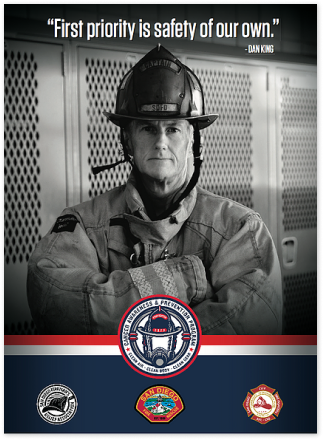
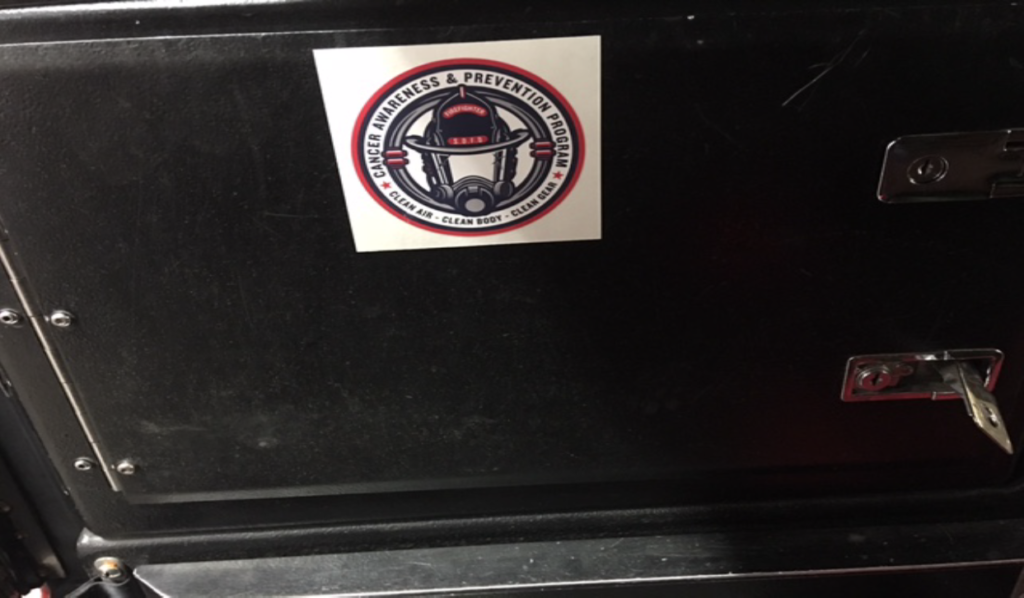
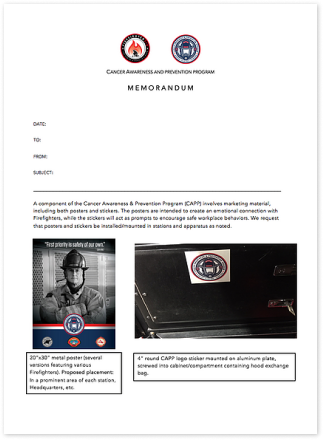
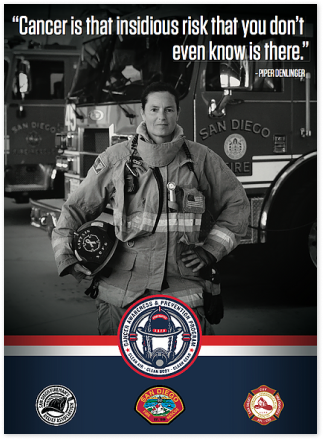
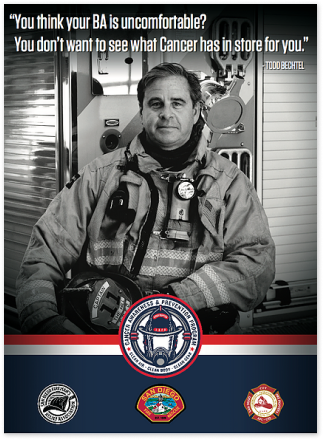
A component of the Cancer Awareness & Prevention Program (CAPP) involves marketing material, including both posters and stickers. The posters are intended to create an emotional connection with Firefighters, while the stickers will act as prompts to encourage safe workplace behaviors. We request that posters and stickers be installed/mounted in stations and apparatus as noted.
20”x30” metal poster (several versions featuring various Firefighters). Proposed placement: In a prominent area of each station, Headquarters, etc.
4” round CAPP logo sticker mounted on aluminum plate, screwed into cabinet/compartment containing hood exchange bag.
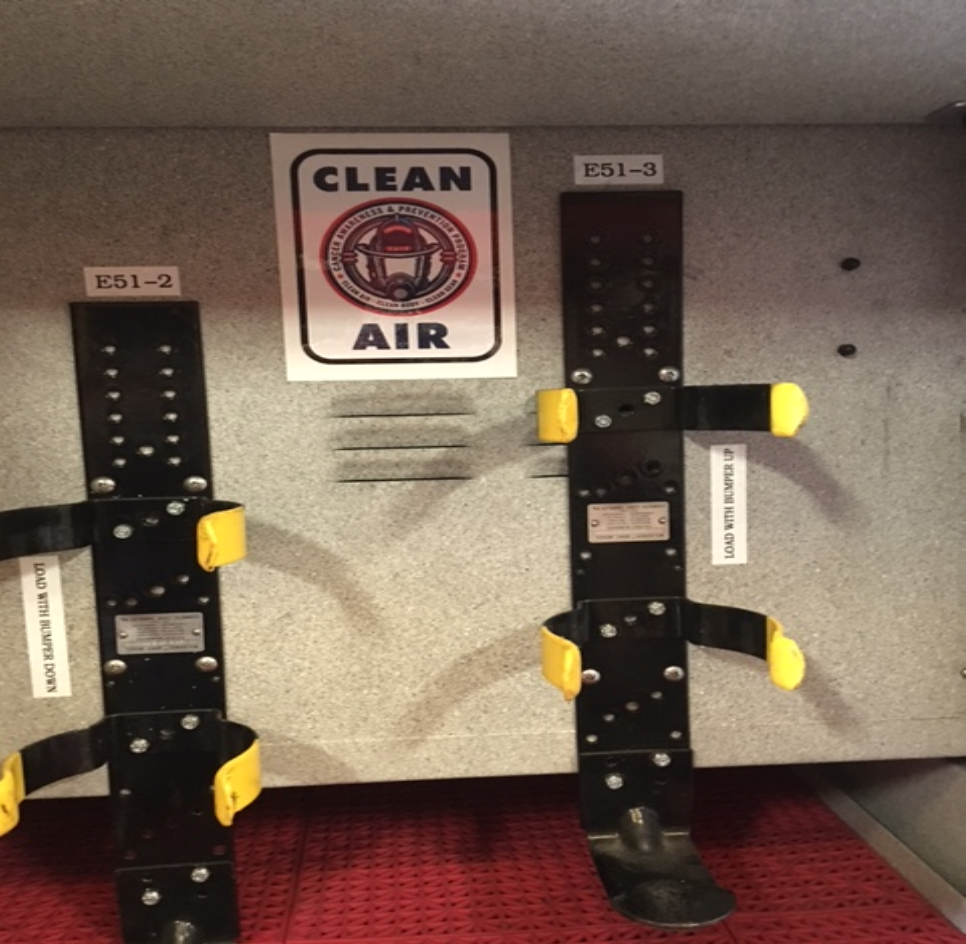
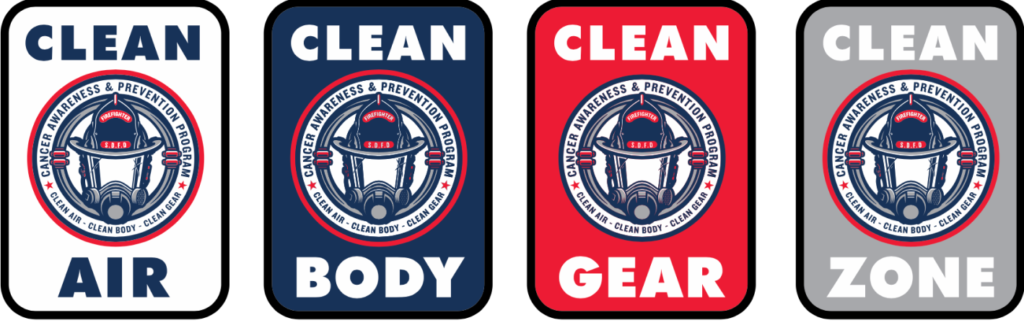
5”x7” “Clean Air” Near SCBA mounts. Sticker on aluminum plate screwed to bulkhead.
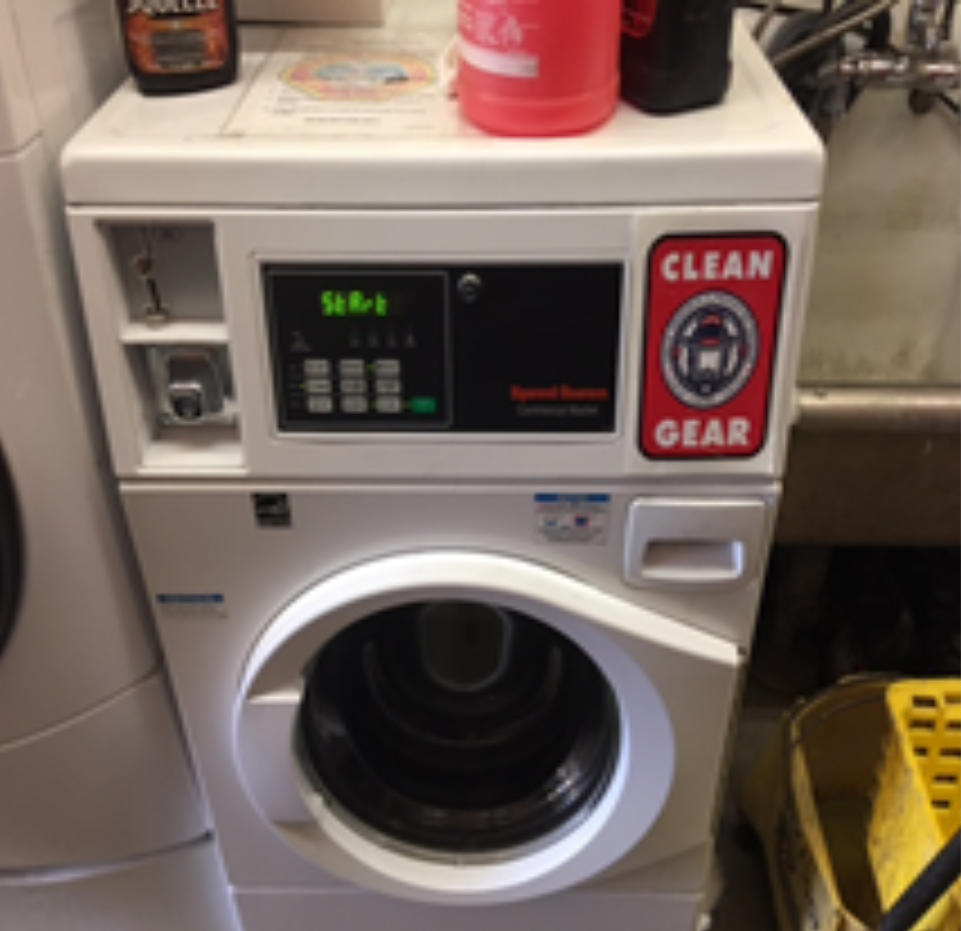
5”x7” “Clean Gear” sticker on washers.
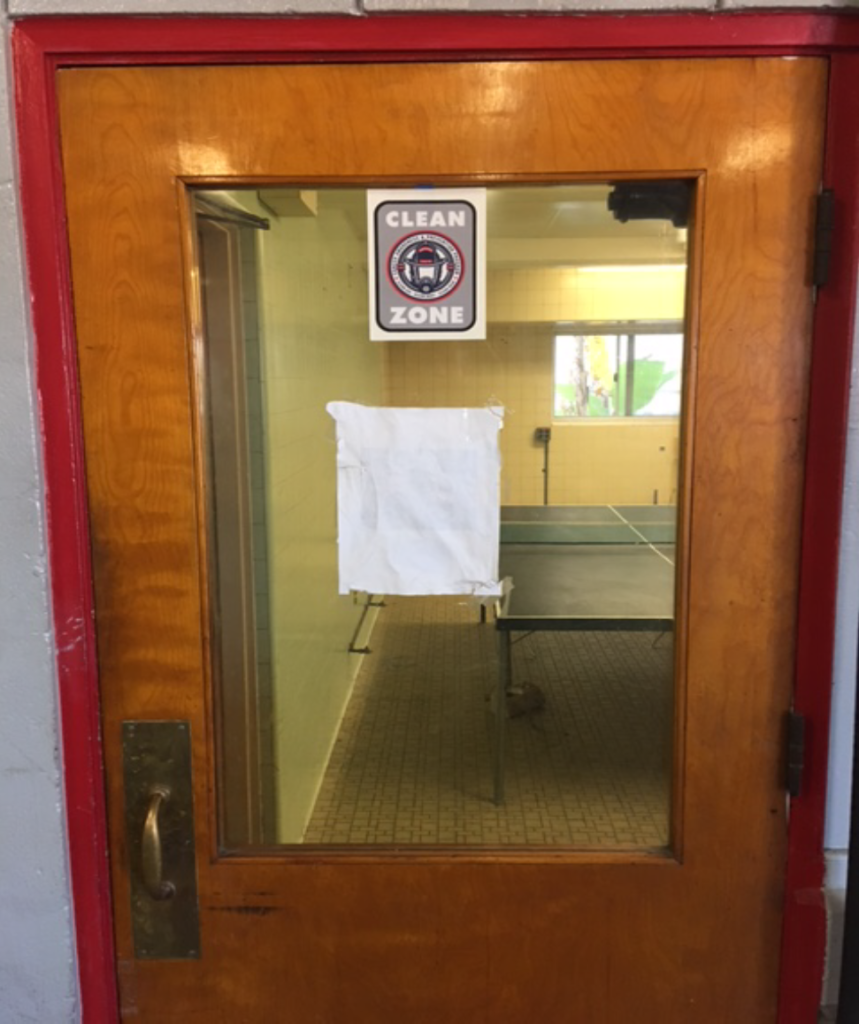
5” x 7” “Clean Zone” on doors leading from apparatus floor into living quarters.
Contact us if you know of anyone who is in need of help. We’re always here to support our community in any way we can.
Cancer Prevention Action Plan
Frequently, firefighters, the public and policy makers perceive the most dangerous aspects of firefighting as those functions associated with actions taken on the fireground, such as search and rescue, advancing hoselines, or vertical ventilation. While these functions are admittedly dangerous, a far less glamorous and insidious foe, occupational cancer, is responsible for greater morbidity and mortality in the fire service than adverse fire events, structural collapse, and fireground disorientation combined. This document serves to briefly review the magnitude and implications of occupational cancer in the fire service and provide a plan for the San Diego Fire & Rescue Department to address this pressing issue.
Occupational Cancer
Today’s byproducts of combustion are different from those in the past, as natural materials including wood, textiles and the like have been replaced with synthetic furnishings, plastics, fireproofing compounds and construction materials. These fuels produce a host of known carcinogens when burned, including: benzene, chromium, formaldehyde, polycyclic hydrocarbons and many more (Fabian et al., 2010). As a result, today’s fires are highly toxic, burn hotter and faster and pose significantly greater risk to firefighters when compared to the past. Additionally, diesel exhaust was recently reclassified by the International Agency for Research on Cancer (IARC) from a Group 2A (probably carcinogenic to humans) to a Group 1 (carcinogenic to humans) classification (International Agency for Research on Cancer [IARC], 2012). Combined, these factors demonstrate the increased risk of occupational cancer firefighters face both on the fireground and in the station. According to the International Association of Firefighters (IAFF) Line of Duty Deaths Database, 86 firefighters died of occupational cancer in 2014, (“IAFFLODD,” 2015) compared to 22 who were killed at fire scenes during the same time period (National Fire Protection Administration [NFPA], 2015).
The association between occupational cancer and firefighting has been well documented in numerous peer-reviewed research publications, including:
The findings of these researchers and many more have been persuasive enough that 32 states and 9 Canadian provinces have adopted presumptive law coverage for firefighters who develop cancer (International Association of Firefighters [IAFF], n.d.). The evidence is abundant and compelling; an association between firefighting and cancer exists.
While the impacts of cancer are numerous, two areas of special interest include the emotional and financial aspects. Emotionally, the impact of cancer is both obvious and catastrophic at the individual, family and organizational levels, as those accustomed to being the “helpers” are thrust into the unfamiliar role of asking for help and family and friends are witness to potentially preventable suffering. In terms of finances, the impact of occupational cancer is equally consequential in an era of scarce resources, as workers compensation pays for presumptive occupational cancers. Cancer care is very costly, for example:
Direct Cancer Costs Related to Hospitalizations in 2009:
Diagnosis
Leukemia
Multiple Myeloma
Non-Hodgkin’s Lymphoma
Bone
Brain
Prostate
Mean Hospital Cost
$40,200
$28,700
$24,900
$19,600
$19,400
$10,900
Source: (Price, Stranges, & Elixhauser, 2012)
Annual Cost of Cancer Drugs in 2012
Drug Name
Sipuleucel
Lenalidomide
Ofatumumab
Dasatinib
Use
Prostate
Multiple Myeloma
Lymphoma
Leukemia
1 Year Cost
$90,000
$90,000
$120,000
$110,000
Source: (Siddiqui & Rajkumar, 2012)
Just one incidence of occupational leukemia costs the City of San Diego in excess of $150,000 dollars in direct medical costs over the course of one year. This number does not reflect additional indirect costs including but not limited to, workers compensation litigation, backfill, and death benefits. Based on both the emotional and economic impact of occupational cancer, a reactionary approach is inappropriate. Rather, the objective should be to prevent the onset of occupational cancer in the first place.
Preventing disease prior to its onset is termed primary prevention and is the ultimate goal of any health intervention program, as it optimizes quality of life and results in a significant return-on-investment. While it is intuitive that living a life free of cancer is ideal, the notion that preventing chronic disease such as cancer is cost-effective warrants greater scrutiny. While there is little data specifically focused on the impact of primary prevention of occupational cancer in firefighters, there is a wealth of data concerning primary prevention of chronic diseases in the general population from which we can draw insight.
According to a 2009 report from the Trust for America’s Health, a non-profit, nonpartisan organization funded by the Robert Wood Johnson Foundation and The California Endowment, primary prevention is good business, in both human and economic terms. Researchers evaluated 84 low-cost, community based studies where primary prevention was employed in the context of several chronic diseases, including cardiovascular disease, diabetes and some forms of cancer (TFAH, 2009). The results were remarkable; in California the ROI at 1-2 years was .73:1, at 5 years 4.84:1 and at 10-20 years 5.41:1 (TFAH, 2009). An obvious limitation of this data is that it was derived from large-scale, health promotion campaigns that dealt with numerous chronic diseases rather than just cancer, potentially limiting its applicability. However, based on the data, it does not seem unreasonable to extrapolate that in the context of occupational cancer, potentially significant savings would result from keeping workers healthy rather than treating them when sick.
Based on the premise that primary prevention is both ethically and financially prudent, a course of action is warranted. Thankfully, organizations including the IAFF, Firefighters Cancer Support Network (FFCSN), and fire departments from Boston, FDNY and more have taken the lead in the cancer prevention arena. Therefore, collaboration with these organizations is essential, as completely reinventing the wheel in San Diego is unnecessary. However, even with the best program and collaboration, no program is a one-size fits-all. Crafting a customized program based on a proven foundation that fits within the cultural norms and values of the SDFD will be key to gaining organizational acceptance.
The SDFD Cancer Prevention Program (SDFD/CPP) will be a comprehensive health promotion campaign, built upon several of the widely accepted 16 Firefighter Life Safety Initiatives (see appendix) presented at the National Fallen Firefighters Tampa 2 Firefighter Life Safety Summit.
Short-Term Objectives:
Primarily focus on behavioral change, based on Life-safety Initiatives 1,2 & 4, which in essence advocate for cultural change at all levels as it relates to health & safety, improving accountability for health and safety and the empowerment of all employees to feel secure in speaking up and stopping unsafe practices (National Fallen Firefighters Foundation [NFFF], 2014). What does this look like where the rubber meets the road?
Recent research published in the Journal of Research in Organizational Behavior is worth reading (see appendix), as its applicability to our organization’s goals in terms of health & safety is remarkable. Researchers studied the “macho” culture of offshore oil platform workers who lived and worked together for weeks at a time in a highly competitive, high-risk environment, where ego was king and getting the job done at all costs was the underlying organizational message, creating a culture where safety was an afterthought (Ely & Meyerson, 2010). In order to foster cultural change, organizational health & safety initiatives were embraced and implemented at all levels (Ely & Meyerson, 2010). Workers adopted a culture of inclusiveness and a philosophy of collective good where humility was expressed openly throughout the organization. As a result, safety was enhanced, production increased and worker satisfaction improved, a win-win for all parties involved (Ely & Meyerson, 2010). While fire stations are not oil platforms, the cultural similarities are striking, lending hope to the notion that we can and will achieve positive behavioral change.
Mid-Range Objectives:
Consistent with Life-Safety Initiatives 8 and 16, both of which put forth the imperative that departments utilize available technology to improve health & safety and when designing or purchasing new equipment, health and safety be a primary consideration (NFFF, 2014).
Long-term objectives:
Consistent with Life-Safety initiative #7, research and develop in-house and/or collaborate with other agencies/organizations to create a data collection system related to heath and safety for evaluation and future, yet to be determined research (NFFF, 2014).
Implementation:
In order to implement a successful health promotion campaign, both a philosophical and financial commitment is required on the part of senior leadership. As part of the financial commitment, the creation of a full-time project manager position is essential. A project manager would solely focus on occupational cancer, a subject with breadth and depth enough to encompass an entire career. Tunnel vision, a detriment on the fireground, would in this case be an asset, as all energies are directed at this singular imperative. The project manager would report to Chief Duron, yet be free from dealing with the myriad of issues his office currently deals with, as he fills the shoes of both a Health and Safety Officer and Incident Safety Officer.
Because the messenger is often times equal to or even more important than the message itself, selecting the ideal project manager is key. The ideal candidate should have excellent organizational, communication, and interpersonal skills; be committed to the project for several years; be detailed oriented; have knowledge of the subject material and be culturally in-tune with the fire service. Duties may include:
Keeping firefighters healthy rather than treating them when they develop cancer is both ethically and economically prudent. This document provides a starting point from which we can begin to implement cultural/behavioral change to reduce risk, as cultural/behavioral change is the single most important aspect of preventing occupational cancer. The fact is, we currently possess an arsenal of tools we can put to use today to reduce risk, including: showers, washers, SCBA’s, exhaust extraction systems, and handy-wipes, many of which are tools that are required by policy to be used, yet culturally fall by the wayside. The reality is, our members fail to appreciate the significance of occupational cancer, likely in large part due to the lengthy latency of the disease. A positive attribute of firefighters is their sense of invincibility, a fact that serves us well on the firegorund but may kill us in the long run, as we fail to recognize and mitigate controllable risk factors associated with cancer.
While occupational cancer and its association with firefighting is currently receiving the attention it deserves, we need only open a history book to discover that this information is not new. The byproducts of combustion have long been known to cause cancer; it’s amazing that it has taken this long to start connecting the dots. In 1775, Sir Percival Pott, a London surgeon was credited with being the first person to describe an environmental form of cancer (Frills, 2010). Pott observed that chimney sweeps had a higher incidence of scrotal and testicular cancer when compared to men of other occupations and that the causative agent was soot (Frills, 2010). As a result, Pott established the first occupational hygiene recommendations; that chimney sweeps bathe at least once per week (Frills, 2010). Pott’s recommendation in 1775 to bathe after sweeping chimneys was timeless, as one of the current recommendations of the IAFF and FFCSN to reduce the incidence of occupational cancer, is to shower after firefighting in order to remove the soot! Apparently, history does repeat itself.
As an organization we have been successful in preparing our members to fight fire, ventilate roofs and search for trapped victims. However, we now face a new danger, occupational cancer. Occupational cancer kills significantly more firefighters than firefighting; the problem is very real and demands our full attention. By developing and implementing a health promotion campaign we will begin to address this complex issue at its core, by raising awareness and promoting behavioral change. While some fixes intended to reduce risk will require capital expenditure, the fact is, as previously stated we already posses many of the tools required to significantly reduce risk, we just need our people to use them. Lets take action together to make a truly meaningful impact in the lives of our members and their families, let’s mobilize and join the fight against occupational cancer.
References
Daniels, R., Kubale, T., Yiin, J., Dahm, M., Hales, T., Baris, D., … Pinkerton, L. (2015). Motality and cancer incidence in a pooled cohort of US firefighters from San Francisco, Chicago and Philadelphia (1950. Journal of Ocupational and Enviromental Medicine, 71(6), 388-397. http://dx.doi.org/10.1136/oemed-2013-101662
Ely, R., & Meyerson, D. (2010). An Organizational Approach to Undoing Gender: The Unlikely Case of Offshore Oil Platforms. Journal of Research in Organizational Behavior, 30(), 3- 34. Retrieved from http://www.hbs.edu/faculty/Pages/item.aspx?num=39818
Fabian, T., Borgenson, J., Kerber, S., Gandhi, P., Baxter, S., Sue Ross, C., … Dalton, J. (2010). Firefighter Exposure to Smoke Particulates. Retrieved from Underwriters Laboratories Inc: http://www.ul.com/global/documents/offerings/industries/buildingmaterials/fireservice/W EBDOCUMENTS/EMW-2007-FP-02093.pdf
Frills, R. (2010). Epidemiology 101. Sudbury, MA: Jones & Bartlett. International Agency for Research on Cancer. (2012). IARC:Diesel Engine Exhaust Carcinogenic. Retrieved from http://www.ul.com/global/documents/offerings/industries/buildingmaterials/fireservice/W EBDOCUMENTS/EMW-2007-FP-02093.pdf
International Associtaion of Firefighters. (n.d.). Presumptive Law Coverage for Cancer. Retrieved from http://www.iaff.org/hs/phi/disease/cancer.asp
LeMasters, G., Genaidy, A., Succop, P., Deddens, J., Sobeih, T., Barriera, H., … Lockey, J. (2006). Cancer risk among firefighters: a review and meta-analysis of 32 studies. Journal of Occupational and Environmental Medicine, 48(11), 1189-1202. Retrieved from http://www.ncbi.nlm.nih.gov/pubmed/17099456
Line of Duty Deaths Database. (2015). Retrieved from http://www.iaff.org/hs/lodd/searchResultsAdvanced.asp#contentid=588
National Fallen Firefighters Foundation. (2014). Tampa 2: Carrying the Safety Message into the Future. Retrieved from http://1rxflr7bsmg1aa7h24arae91.wpengine.netdna-cdn.com/wpcontent/uploads/sites/2/2015/06/tampa2_final.pdf
National Fire Protection Administration. (2015). Firefighter Fatalities In The United States. Retrieved from http://www.nfpa.org/research/reports-and-statistics/the-fireservice/fatalities-and-injuries/firefighter-fatalities-in-the-united-states
Price, R., Stranges, E., & Elixhauser, A. (2012). Cancer Hospitilizations for Adults, 2009 [Statistical Brief #125]. Retrieved from http://www.ncbi.nlm.nih.gov/books/NBK92614/?report=printable
Pukkala, E., Martinsen, J., Weiderpass, E., Kjaerheim, K., Lynge, E., Tryggvadottir, L., … Demers, P. (2014). Cancer incodence among firefighters: 45 years of follow-up in five Nordic countries. Journal of Occupational and Envirmental Medicine, 71(6), 398-404. http://dx.doi.org/10.1136/oemed-2013-101803
Siddiqui, M., & Rajkumar, V. (2012). The High Cost of Cancer Drugs and What We Can Do About It. Mayo Clinic Proceedings, 87(10), 935-943. http://dx.doi.org/10.1016/j.mayocp.2012.07.007
Trust for America’s Health. (2009). Prevention for a Healthier America. Retrieved from http://healthyamericans.org/reports/prevention08/Prevention08.pdf
Contact us if you know of anyone who is in need of help. We’re always here to support our community in any way we can.
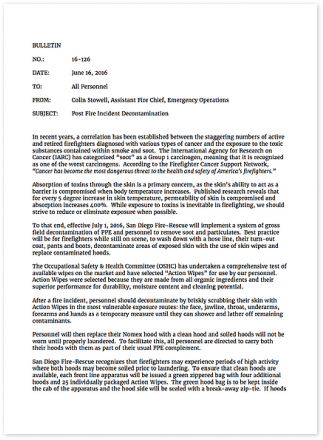
In recent years, a correlation has been established between the staggering numbers of active and retired firefighters diagnosed with various types of cancer and the exposure to the toxic substances contained within smoke and soot. The International Agency for Research on Cancer (IARC) has categorized “soot” as a Group 1 carcinogen, meaning that it is recognized as one of the worst carcinogens. According to the Firefighter Cancer Support Network, “Cancer has become the most dangerous threat to the health and safety of America’s firefighters.”
Absorption of toxins through the skin is a primary concern, as the skin’s ability to act as a barrier is compromised when body temperature increases. Published research reveals that for every 5 degree increase in skin temperature, permeability of skin is compromised and absorption increases 400%. While exposure to toxins is inevitable in firefighting, we should strive to reduce or eliminate exposure when possible.
To that end, effective July 1, 2016, San Diego Fire-Rescue will implement a system of gross field decontamination of PPE and personnel to remove soot and particulates. Best practice will be for firefighters while still on scene, to wash down with a hose line, their turn-out coat, pants and boots, decontaminate areas of exposed skin with the use of skin wipes and replace contaminated hoods.
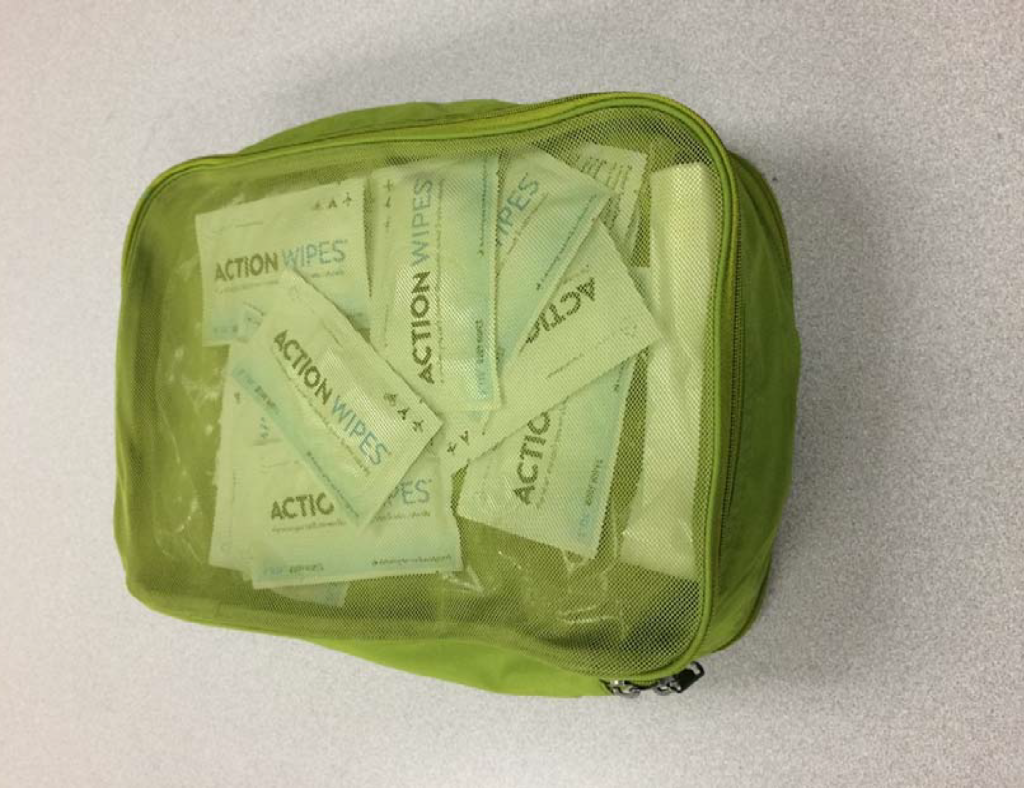
The Occupational Safety & Health Committee (OSHC) has undertaken a comprehensive test of available wipes on the market and have selected “Action Wipes” for use by our personnel. Action Wipes were selected because they are made from all organic ingredients and their superior performance for durability, moisture content and cleaning potential.
After a fire incident, personnel should decontaminate by briskly scrubbing their skin with Action Wipes in the most vulnerable exposure routes: the face, jawline, throat, underarms, forearms and hands as a temporary measure until they can shower and lather off remaining contaminants.
Personnel will then replace their Nomex hood with a clean hood and soiled hoods will not be worn until properly laundered. To facilitate this, all personnel are directed to carry both their hoods with them as part of their usual PPE complement.
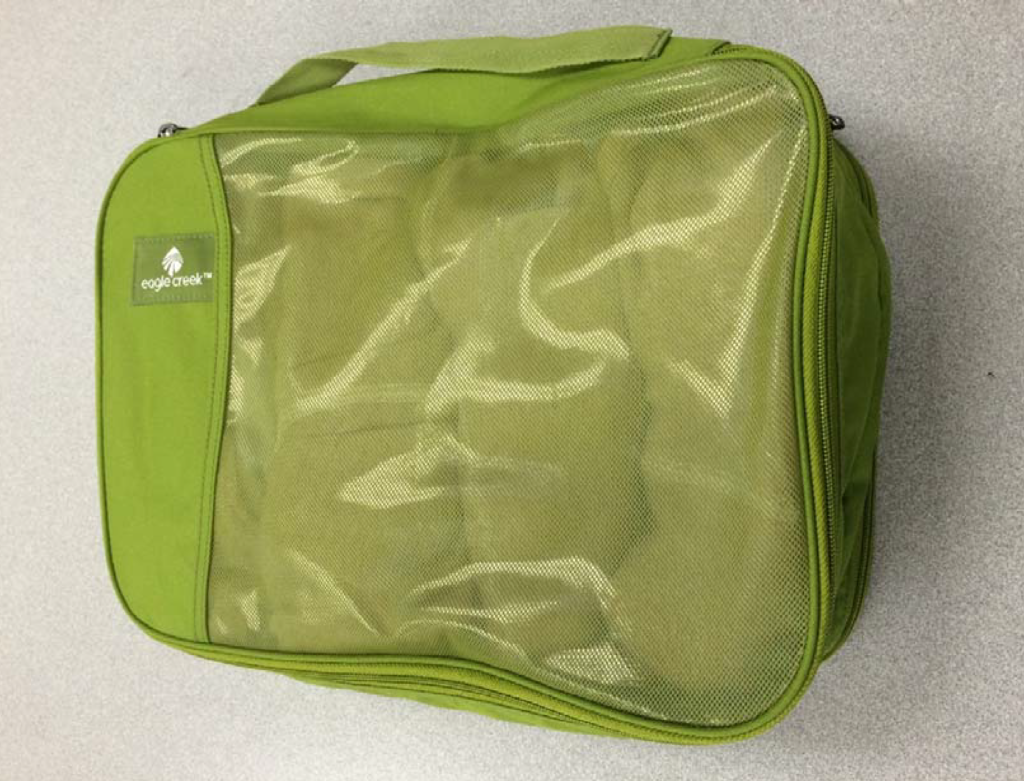
San Diego Fire-Rescue recognizes that firefighters may experience periods of high activity where both hoods may become soiled prior to laundering. To ensure that clean hoods are available, each front line apparatus will be issued a green zippered bag with four additional hoods and 25 individually packaged Action Wipes. The green hood bag is to be kept inside the cab of the apparatus and the hood side will be sealed with a break-away zip-tie. If hoods from the green bag are used, personnel will launder their two personally issued hoods and the hoods from the green bag will be returned to their respective battalion chief, who will deliver to the Logistics Division for professional cleaning and restocking.
All personally issued hoods will be laundered at fire stations. Each fire station will be issued a laminated sheet with instructions and a green 3-gallon plastic bucket for the sole purpose of laundering hoods. A mix of 3 ounces of CitroSqueez cleaner in 2.5 gallons of cold water will be used to soak soiled hoods for at least one hour. After soaking, the bucket will be emptied into a deep sink and the bucket and hoods will be rinsed with fresh cold water. The hood(s) will then be placed into the station washing machine with an additional 3 ounces of CitroSqueez in normal-cold cycle. Once washed, the hoods will be air-dried and placed back into service.
Action Wipes can be resupplied from Store 42 or any SDFD Battalion Chief apparatus. Questions related to the use of Action Wipes or the Nomex hood replacement can be directed to Battalion Chief Alfredo Duron at aduron@sandiego.gov.
This direction will be incorporated into the Operations Manual with a future update.
Contact us if you know of anyone who is in need of help. We’re always here to support our community in any way we can.
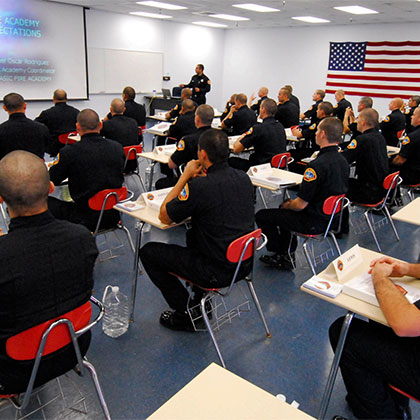
Schedule a date and time to have our team come to your fire station to provide in-depth cancer prevention method training.
If you believe in staying on air,
If you believe in washing your gear,
If you believe in doing the small things every day that stand to make a big difference over the course of your career,
Then put this sticker on the back of your helmet and show everyone that you believe in doing the right thing!
You don’t have to know everything, but you should know yourself and your body pretty well. So if something seems off, you should head to your health care provider and talk to them about it as soon as possible. Listen to your friends, coworkers, and family – they know you pretty well too. While we don’t want anything to ever happen to you, we do want you to be healthy and well taken care of. Being a firefighter or the family of a firefighter can be difficult, and there are many health hazards that can come with the job. That being said, even if you are curious, you should be screened for cancer. Early detection can make a world of difference for many cancer warriors.
It can be very scary, and we understand that. However, you are NEVER alone. We are here for you; your brothers and sisters in the fire service are here for you; and your family is here for you. Please be sure to get regular screenings, wipe down and shower after responding to a fire, wash your turnouts, and wear your breather to help reduce your risks. Additionally, keep yourself educated.
Check out some of the additional resources below to be sure you know warning signs, possible carcinogen origins, and more. If you have questions, please talk to your health care provider as soon as possible. We are all here with you through this journey.